
Garret B. Biss, USMC (Ret.)
USMC Veteran | Addiction Recovery Expert | TEDx Speaker
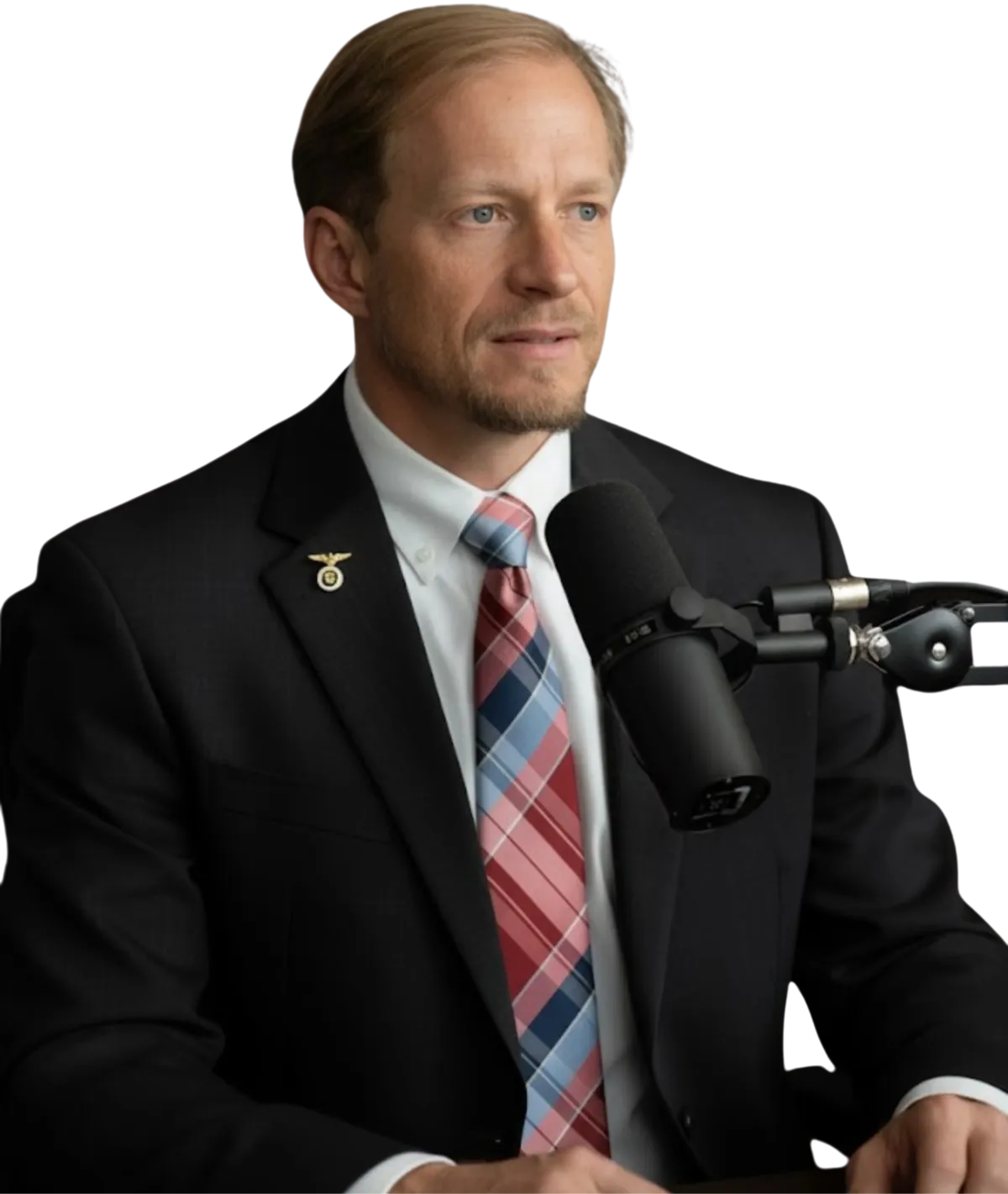
Garret Biss: Podcast Guest on Resilience, Recovery & Human Potential
Marine Corps Veteran & Former Military Pilot TEDx Speaker • Award-Winning Author
Garret brings lived experience, evidence-informed insight, and transformational storytelling to veteran, mental health, recovery, leadership, workplace well-being, and personal-growth audiences.
HONEST CONVERSATIONS ABOUT WHAT IT TAKES TO REBUILD
While deployed to Afghanistan, Garret began writing about happiness, meaning, and human fulfillment. A few years later, his own life forced him to test everything he thought he understood.
After leaving the Marine Corps, the identity, structure, connection, and sense of purpose that had sustained him began to disappear. What looked like a successful transition from the outside became a private struggle with anxiety, depression, alcohol misuse, and profound identity loss. The philosophy he had written earlier did not spare him from the storm, but it became a compass that helped him begin finding a way through it.
Today, Garret combines lived experience with positive psychology, recovery-informed practice, and years of work alongside veterans, recovery communities, helping professionals, colleges, and organizations. He brings audiences honest, accessible conversations about why capable people struggle, what recovery requires beyond stabilization, and how we rebuild connection, authenticity, meaning, and a life worth protecting.
GARRET BISS is a retired Marine Corps Pilot, addiction recovery coach, and TEDx Speaker. Post-retirement in 2015, Garret confronted challenges common among veterans: anxiety, depression, and a sense of displacement. Turning to alcohol as a crutch, it wasn't until suicidal ideation took hold that he sought change. Rather than traditional addiction treatments, Garret's path was shaped by mentoring that emphasized self-worth, rediscovering identity, and tapping into inherent strengths. This approach not only alleviated his addictive behaviors but also reignited his passion for life.
View Garret's thought-provoking and heartfelt TEDx - https://UnspokenTrauma.vet
Garret's transformative experience sparked his commitment to assisting others with recovery tools grounded in positivity and personal strengths. He often remarks that while numerous resources aid individuals in emerging from their darkest moments, he aspires to propel them even further – toward their highest potential.
In 2017, he co-founded an addiction recovery residence in North Carolina, serving as an interim program director, executive director, and former board president. Additionally, Garret crafted a recovery program and curriculum deeply rooted in positive psychology and the principles of human flourishing. Acutely aware of the hurdles Veterans face, he is driven to ensure that their potential isn't overshadowed by emotional turmoil or addiction. Developed by Garret, ValiantPath™️, is tailored specifically for veterans, blending group coaching, one-on-one emotional processing, and evidence-based recovery methods.
A graduate of the Clark School of Engineering at the University of Maryland and holding a master's from the Harbert Business School at Auburn University, Garret's spirit of service soars beyond recovery, he is a pilot for the Civil Air Patrol and helms a global water non-profit, One Million Goal, Inc. As an award-winning author, co-founder of a recovery residence, and a captivating speaker, Garret consistently leaves audiences inspired, bolstered in self-worth and imbued with a newfound sense of purpose.
WHY GARRET MAKES A STRONG PODCAST GUEST
Topics we can discuss:
What Podcast Hosts Hosts and Listeners Can Expect:
A distinctive personal story with relevance far beyond the military community
Honest, grounded conversations about anxiety, depression, alcohol misuse, identity loss, and recovery
Evidence-informed ideas translated into accessible, practical language
Deep insight into resilience, life transition, post-traumatic growth, and human development
A natural conversational style that invites depth without becoming clinical or prescriptive
Comfort discussing difficult subjects with authenticity, compassion, and hope
A prepared, professional guest who adapts the conversation to the host and audience
Practical insights listeners can carry into their own lives, relationships, workplaces, and recovery
🎙️ Veterans
🎙️ Trauma
🎙️Addiction Recovery
🎙️Human Connection & Authenticity
🎙️ Military Transition
🎙️ PTSD & Post-Traumatic Growth (PTG)
🎙️Purpose and Meaning
(Something else you want to discuss? Just ask.)
GARRET’S BRIEF BIO
Garret Biss is a retired Marine Corps pilot, TEDx speaker, award-winning author, and resilience and recovery educator whose work explores identity, connection, meaning, and human growth following adversity and major life transitions.
While deployed to Afghanistan, Garret began writing about happiness and fulfillment. After leaving the military, his own struggle with anxiety, depression, alcohol misuse, and identity loss forced him to test and deepen those ideas. His recovery taught him that stopping the injury is not the same as completing recovery. Stability matters, but people also need the capacity to reconnect, rediscover who they are, create meaning, and build a life worth protecting.
Today, Garret combines lived experience with positive psychology, recovery-informed practice, and strengths-based human development. He is the founder of Diamond Mind, co-founder of a men’s recovery residence in North Carolina, and author of several books, including FIRST STEPS to Thriving in Recovery and The Spheres Approach to Happiness and Fulfillment.
His TEDx talk, The Unspoken Trauma All Veterans Face, examines military transition as an emotional and identity disruption, not merely a change in employment. Garret now speaks and trains for veteran communities, helping professionals, colleges, workplaces, and organizations seeking more human and sustainable approaches to resilience, recovery, and growth.
TOPICS WE CAN EXPLORE
Topics we can discuss:
TRANSITION & IDENTITY
Identity disruption during major life transitions
Military-to-civilian transition and reintegration
Career change, retirement, divorce, and recovery
Rebuilding purpose after familiar roles disappear
Why transition can feel traumatic even when chosen
HIGH PERFORMANCE & MENTAL HEALTH
Why capable people often struggle in silence
Anxiety, depression, burnout, and emotional suppression
The difference between endurance and resilience
Nervous-system regulation and sustainable performance
When outward success conceals internal disconnection
RECOVERY & POST-TRAUMATIC GROWTH
Addiction recovery beyond sobriety and stabilization
Moving from survival toward capacity and growth
Connection, authenticity, and meaning in recovery
Post-traumatic growth without romanticizing trauma
Rebuilding agency, hope, and a life worth protecting
Personal Growth & Human Potential
What leaders often mistake for resilience
Supporting capacity instead of rewarding overextension
Authenticity, connection, and psychological safety
Veteran belonging and transition in the workplace
Building cultures where people can perform without losing themselves
🎙️ Veterans
🎙️ Trauma
🎙️Addiction Recovery
🎙️Human Connection & Authenticity
🎙️ Military Transition
🎙️ PTSD & Post-Traumatic Growth (PTG)
🎙️Purpose and Meaning
(Something else you want to discuss? Just ask.)
INTERVIEW QUESTION IDEAS
TRANSITION & IDENTITY
During a deployment to Afghanistan, you began writing about happiness and meaning. What happened when your own life later forced you to test those ideas?
You say, “A compass is most valuable when the landmarks disappear.” What does that mean during a major life transition?
What can military transition teach all of us about identity loss following career change, retirement, divorce, recovery, or other major disruptions?
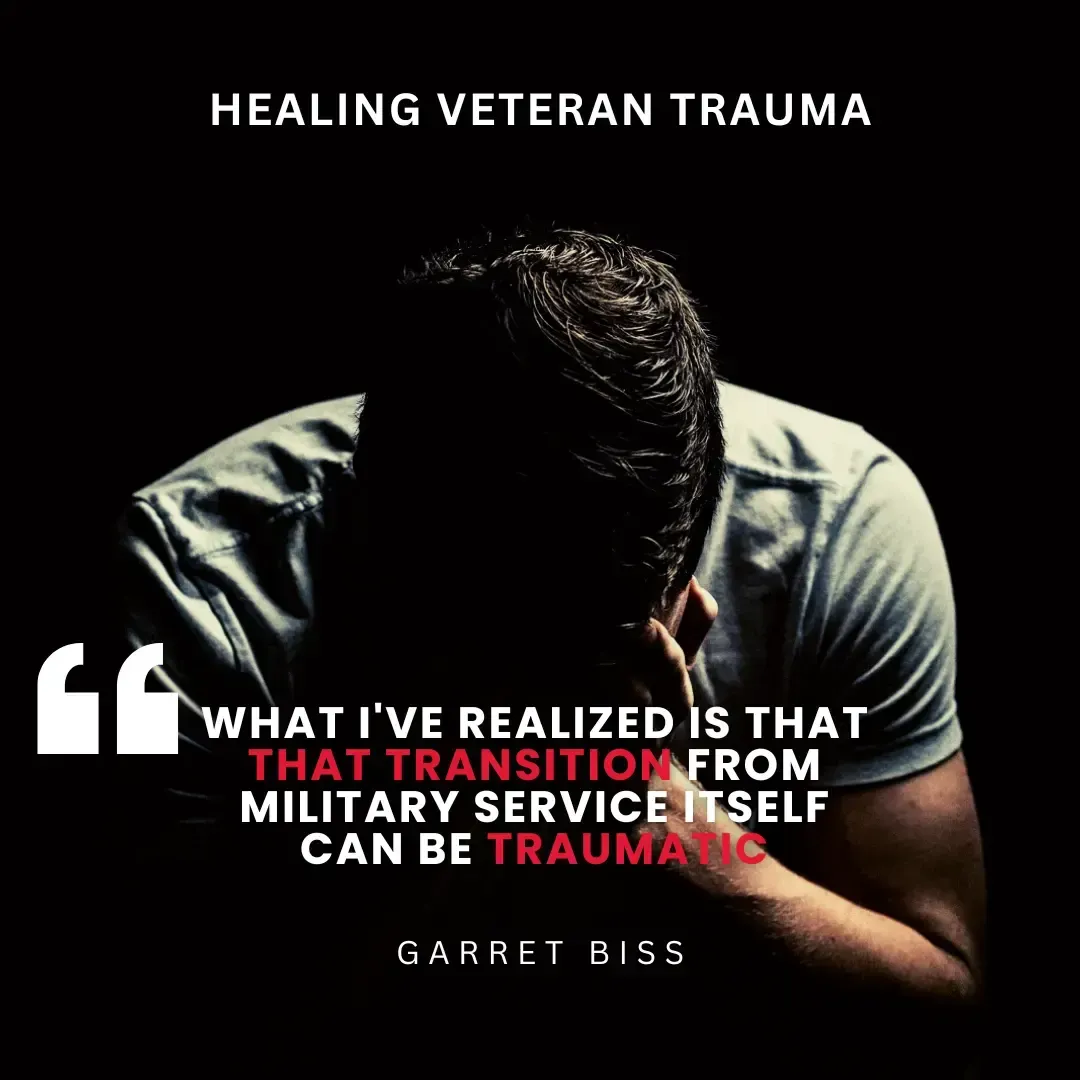
Why can a transition feel traumatic even when it is voluntary or objectively positive?
RECOVERY & GROWTH
You often say, “Stopping the injury is not the same as completing recovery.” What is missing when we define recovery only as sobriety, symptom reduction, or stability?
How do connection, authenticity, and meaning influence mental health, resilience, and recovery?
What does post-traumatic growth actually look like, and how can we discuss growth without minimizing pain or romanticizing trauma?
How can someone begin moving from survival and stabilization toward greater capacity, agency, and growth?
LEADERSHIP & WORKPLACE WELL-BEING
Why do so many capable, outwardly successful people struggle silently?
What is the difference between endurance and genuine resilience?
What do leaders and organizations often misunderstand about employee well-being and sustainable performance?
How can workplaces make it safer for people to acknowledge strain before their performance or well-being collapses?
OPTIONAL VETERAN-FOCUSED CLOSING QUESTION
What message would you like to leave with veterans who feel disconnected from the identity, purpose, or community they once had?
6. Advancements in Treatment "What are the most promising advancements in addiction treatment that could significantly benefit veterans?"
7. Introduction to Services "Garret, could you share with us the inspiration behind starting ValiantPath and UnspokenTrauma websites and how they specifically help veterans?"
8. Personal Experience "As a veteran yourself, what were some of the most significant challenges you faced during your transition from military to civilian life?"
9. Practical Advice "Can you provide some practical advice for veterans who are struggling with their transition, particularly those dealing with addiction or mental health issues?"
10. Message for Civilians "What is one thing you wish every civilian knew about the veteran experience and how they can help?"
Closing Message for Veterans "Finally, Garret, what message would you like to leave for our veteran listeners today?"
Interview Question Ideas:
1. Veterans vs. Civilians "What are the core challenges veterans face in addiction recovery that might differ from civilians?"
2. Evidence-Based Practices "Can you discuss any evidence-based practices that have proven particularly effective in helping veterans overcome addiction?"
3. Military Transition "How can transition from military service be a traumatic experience for Veterans?
4. Stigma and Disclosure "How do you approach the stigma associated with addiction in the veteran community, and what strategies do you recommend for overcoming it?"
5. Preventative Measures "What preventative measures can be implemented to help veterans before they face severe addiction or mental health challenges?"
6. Advancements in Treatment "What are the most promising advancements in addiction treatment that could significantly benefit veterans?"
7. Introduction to Services "Garret, could you share with us the inspiration behind starting ValiantPath and UnspokenTrauma websites and how they specifically help veterans?"
8. Personal Experience "As a veteran yourself, what were some of the most significant challenges you faced during your transition from military to civilian life?"
9. Practical Advice "Can you provide some practical advice for veterans who are struggling with their transition, particularly those dealing with addiction or mental health issues?"
10. Message for Civilians "What is one thing you wish every civilian knew about the veteran experience and how they can help?"
Closing Message for Veterans "Finally, Garret, what message would you like to leave for our veteran listeners today?"
BRING AN HONEST, USEFUL CONVERSATION TO YOUR AUDIENCE

If your listeners value thoughtful conversations about resilience, recovery, identity, major life transitions, leadership, mental health, and human potential, Garret would be glad to explore an episode with you.
Previous Guest Appearances:
(Click each for the full episode)







Copyright 2026 Diamond Mind, LLC | ALL RIGHTS RESERVED